CAMILLE PERRON-CORMIER
Art Discipline(s)
- Literary Arts
- Visual Arts
Moncton | (506) 588-1178
Preferred School District(s)
- DSF South
- DSF North East
- DSF North West
Preferred Grade Level(s)
- K-2
- 3-5
- 6-8
- 9-12
Can provide residency in
- English
- French
Indigenous Artist
- No
Completed Policy 701
- Yes
Space/Material Requirements
- Workspace for students (e.g. desk), projector and HDMI cable, space to write on the board
Bio
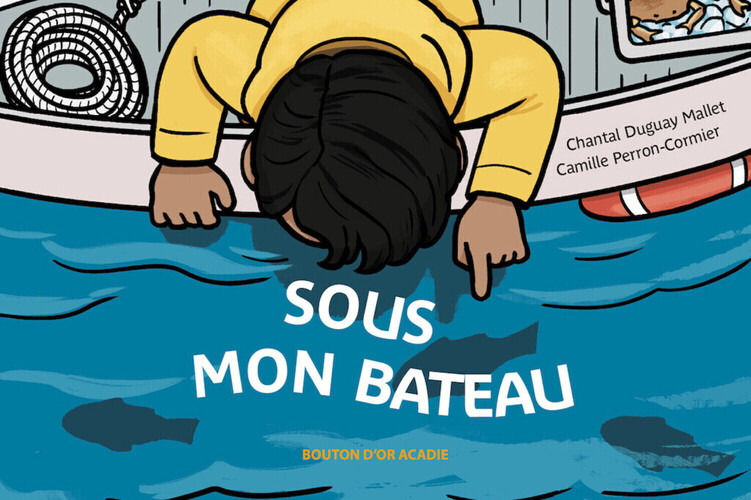
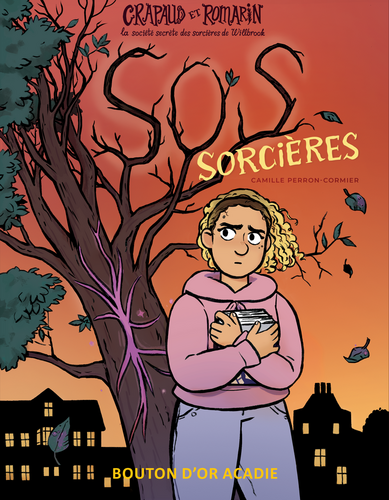
Camille Perron-Cormier, a native of Dieppe, NB, graduated from UQO in 2018 with a Bachelor of Arts and Design in Comics. She has since returned to New Brunswick, where she works as a cartoonist and illustrator. She has illustrated two books published by Bouton d'or Acadie: Adieu, Jacoby! written by Renée Guimond-Plourde, Danielle Guimond and Mélanie Plourde, and Sous mon bateau, written by Chantal Duguay-Maillet. In 2023, she published her first comic book, SOS sorcières, with Éditions Bouton d'or Acadie. This volume launched the Crapaud et Romarin series, for which she is currently writing the sequel.
Residency Project
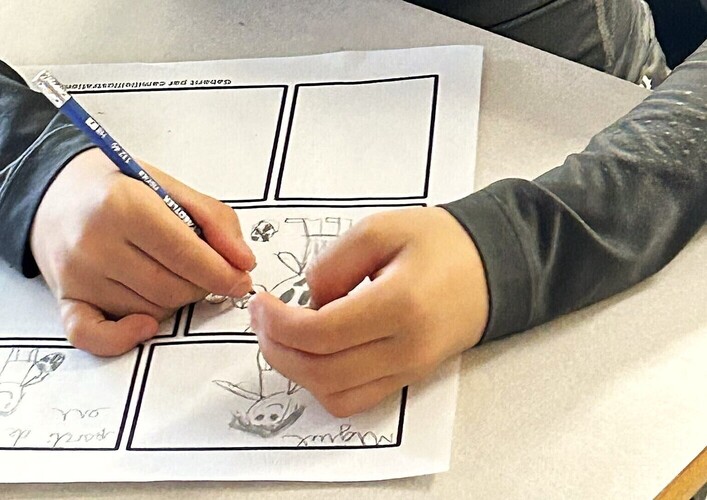
Example of an art project - making a comic strip, creative journey
Stage 1: Reflection. Keep a journal of sketches and written exploration of a theme or several themes. It would also be possible to add a comic-book reading activity to explore the different avenues that can be taken in this medium.
Stage 2: Learning design and drawing. Practical workshops on key notions, for example - drawing characters (faces, actions...), drawing perspective, design notions, comic strip codes, exploring different mediums to create a comic strip...
Stage 3: Drafting a scenario or storyboard for the comic strip. Students formulate a plan for their comic strip.
Stage 4: Production. Work sessions to produce the comic strip, from sketch to final product.
Teaching Experience
I've led a number of workshops at book fairs and on tour, for example with Les Éloizes.
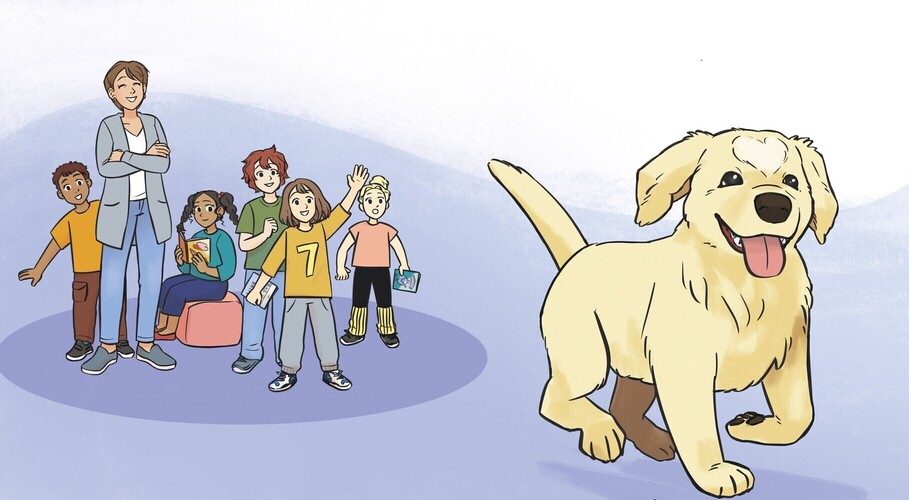
During a comics workshop, I present my background and the stages of creation to demystify the process.
Then I explain the basic codes of comics (panels, balloons, etc.), which some young people will recognize from what they've read. I find it interesting to identify and analyze these codes with them.
The workshop ends with a creative period in which the students create their own comics, combining the codes they've learned with writing and drawing.